
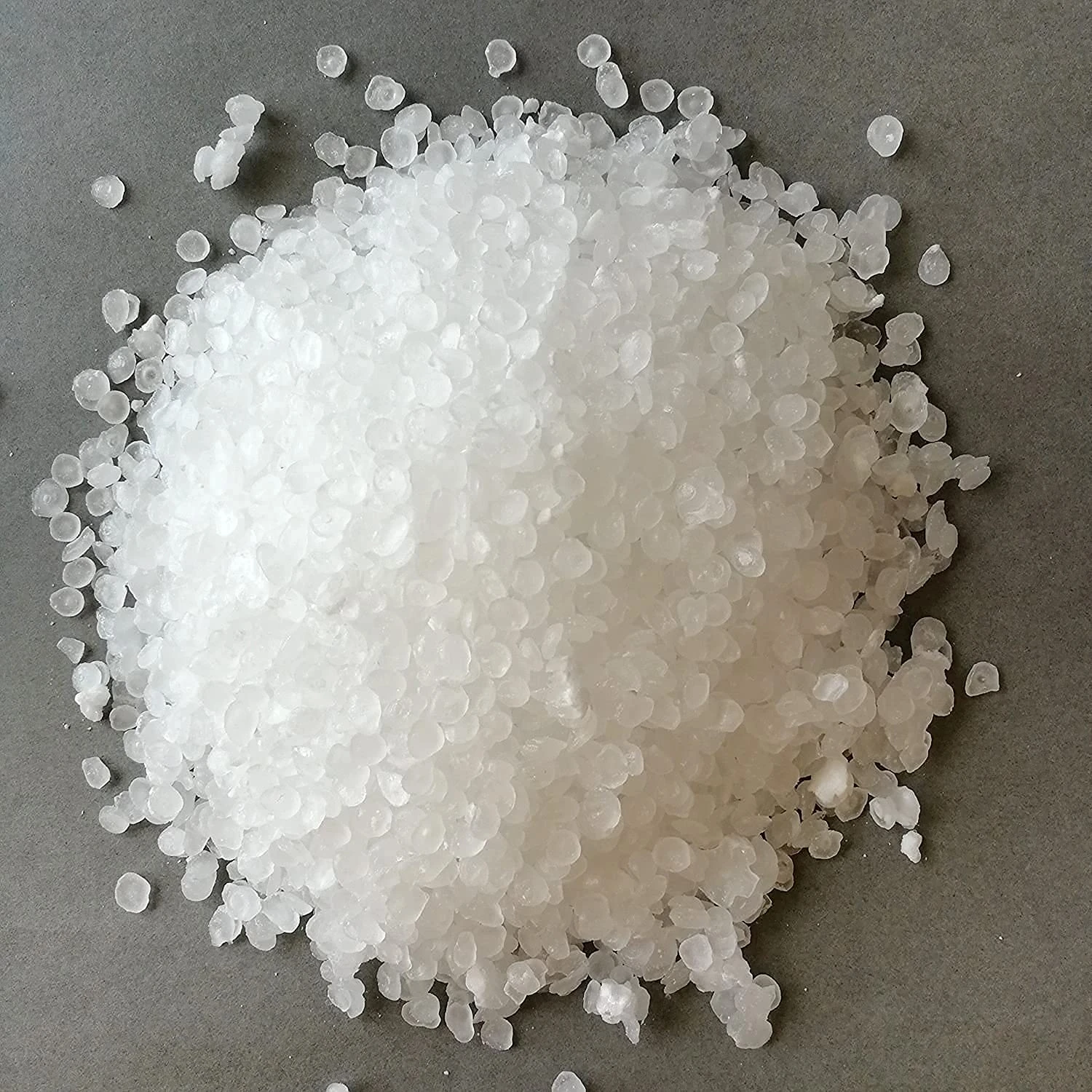
Paraffin wax for histopathology is a wax-based embedding medium used to support processed tissue specimens in blocks so that thin sections can be cut with a microtome. After tissue processing, the specimen is oriented in molten wax and allowed to solidify, creating a block suitable for sectioning.
The right wax should suit the laboratory’s processing methods, embedding equipment, sectioning workflow and storage conditions. Buyers should evaluate product documentation, handling instructions and consistency rather than selecting a material based only on a broad label or price.
Embedding wax must be suitable for the intended tissue-processing protocol and the sectioning conditions used by the laboratory. Properties such as melting range, consistency, ease of handling and compatibility with the embedding station can affect routine workflow. Always consult the supplier’s current technical datasheet for the exact product.
A wax that does not suit the laboratory’s settings may create practical difficulties during dispensing, block formation or sectioning. However, sectioning problems can have multiple causes, including processing quality, tissue orientation, blade condition, microtome settings and operator technique. Troubleshooting should therefore consider the full process rather than attributing every problem to wax.
Following processing, the tissue is infiltrated with paraffin and transferred to an embedding station. The operator places the tissue in a mould, orients it according to the laboratory’s procedure and adds wax to form a block. The block is then cooled and prepared for sectioning.
Correct orientation is important because the plane of section determines which tissue structures are visible. The laboratory should follow its established method for orientation, cooling and block handling. Equipment settings should be chosen according to the wax manufacturer’s guidance and the validated local procedure.
Ask for the product name, grade, melting range or other stated thermal properties, intended application, packaging size, storage instructions and safety documentation. Confirm that the product is suitable for the laboratory’s embedding station and routine protocols. Do not assume that every paraffin wax sold for general use is intended for histopathology embedding.
Consistency between batches and reliable supply can matter to laboratories with regular workloads. Ask the supplier about lot identification, shelf-life or storage guidance where applicable, order quantities, packaging and delivery arrangements. Keep the product label and lot information according to the laboratory’s traceability procedure.
Compare the total delivered cost, including packaging, freight, taxes and minimum order quantity. If the laboratory is buying through a tender, ensure that the offered product’s documented characteristics match the specification and that the quotation identifies the exact product.
Store paraffin wax in the conditions stated by the supplier and keep packaging identified. Protect it from contamination and avoid mixing products or lots without a documented reason. Follow the manufacturer’s instructions for heating, handling and cleaning the equipment used with molten wax.
Hot wax can cause burns, and laboratory chemicals used during tissue processing may present additional hazards. Staff should follow the laboratory’s risk assessment, personal protective equipment requirements, equipment manuals and applicable safety procedures. Do not heat wax beyond the conditions recommended by the supplier or use improvised heating arrangements.
Keep the embedding area clean and organised. Remove residues using an approved method, and ensure that any maintenance or cleaning is performed safely with the equipment in an appropriate state. Record lot information where required by the laboratory’s quality system.
If blocks are difficult to section, first review tissue processing, wax infiltration, tissue orientation, cooling, blade condition, section thickness and microtome operation. Confirm that the wax is being used within its stated conditions and that the embedding station’s temperature settings follow the relevant instructions.
If a change in wax product is introduced, evaluate it through the laboratory’s change-control process. Keep records of the product, lot, protocol and observed performance. This makes it easier to identify whether a change in section quality is associated with the wax or another stage of the workflow.
Paraffin wax is used with tissue embedding stations and microtomes, and it forms part of a workflow that also includes tissue processors, cassettes, floatation baths and slide warmers. Equipment and consumables should be selected as a compatible system, with procedures established for each stage.
A tissue processor prepares specimens for embedding, the embedding station forms the wax block, and the microtome cuts sections from that block. A floatation bath may help spread sections before they are collected on slides. Each step should be managed under the laboratory’s standard operating procedures.
Before ordering, confirm the exact product, documented properties, packaging, quantity, delivery schedule, storage conditions, safety documentation and compatibility with the laboratory’s procedure. If the product is intended for a specific tender, check every stated requirement against the supplied technical documents.
Plan stock levels based on actual consumption, shelf or storage conditions and delivery lead times. Keep supplier details and lot records accessible so that the laboratory can trace the material used when investigating a quality issue.
Paraffin wax for histopathology is a small but important part of tissue preparation. Choosing a suitable product, following its technical instructions and controlling the embedding workflow can help laboratories maintain consistent practices and investigate sectioning issues systematically.
Explore the Micron Optik website for histopathology equipment, and read the pathology lab equipment guide, tissue processor supplier guide, microtome supplier guide, and grossing station guide. Contact Micron Optik to ask about available histopathology consumables and equipment compatibility.
A reliable procurement process begins with a clear product specification. Identify the required wax properties, pack size, quantity, documentation and delivery conditions, and ask suppliers to confirm that the offered product matches those requirements. Where the laboratory follows a formal quality system, retain the approved technical datasheet and supplier details with the purchasing record.
On receipt, check the product identity, packaging condition and lot information against the purchase order. Store the material as instructed and keep the original label or equivalent traceability information accessible. If the product is being introduced for the first time, follow the laboratory’s established process for reviewing and approving the change before routine use.
Consistency depends on the complete tissue preparation workflow, not on wax alone. Laboratories should use documented procedures for tissue processing, embedding, cooling, block storage and sectioning. When a problem occurs, review these stages systematically and record the findings so that corrective actions can be evaluated.
Staff should also know how to consult the wax supplier’s technical information and the embedding station manual. The recommended temperature and handling conditions should be followed, and any local variation should be evaluated under the laboratory’s quality procedures. These habits support reproducibility and make troubleshooting more effective.